
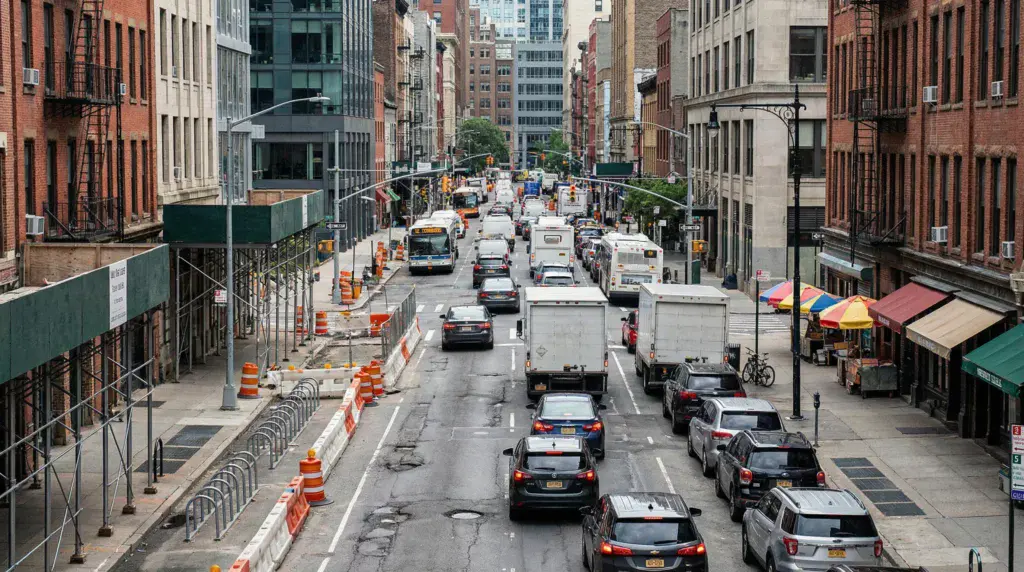
Staying alert and aware of your surroundings in urban environments can make daily life a whole lot easier, and honestly, a bit safer too. Whether I’m commuting to work, taking a stroll around a busy city, or hanging out in a huge public space, situational awareness always plays a major role in how I experience and interact with city life. For anyone new to this idea, situational awareness simply means noticing what’s happening around you, being able to predict, identify, and respond to potential hazards, changes, or anything that might need your attention.
Why Situational Awareness Matters in the City
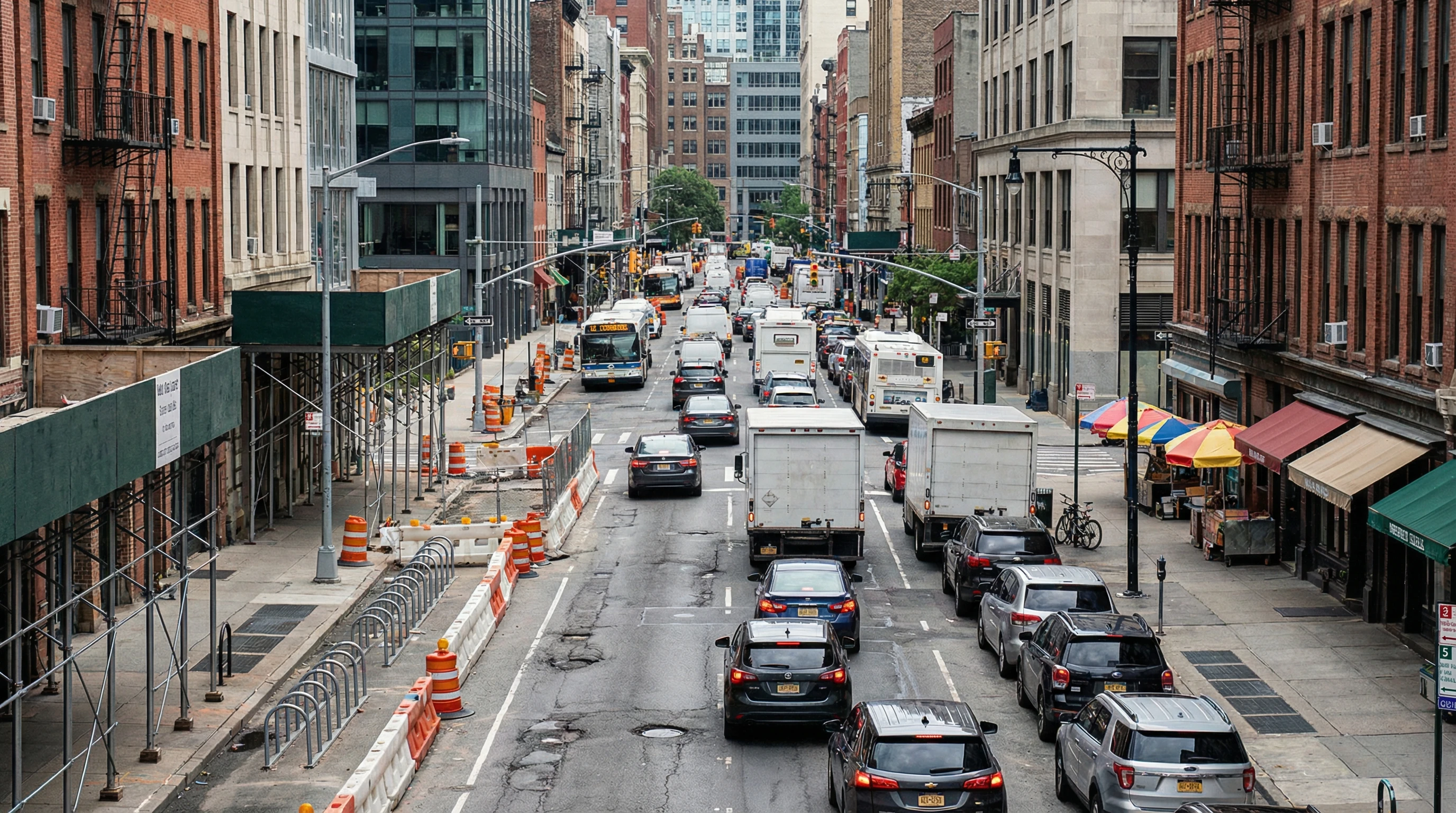
Cities are packed with activity. People, vehicles, sounds, buildings, street vendors, fast moving traffic, and everything else you can think of all compete for attention. Unlike quiet suburbs or rural areas, cities throw a ton of unpredictable situations your way, making it important to stay alert. Situational awareness helps you notice changes in crowd mood, a car approaching suddenly, or construction projects that pop up on your usual route.
When I practice solid situational awareness, I notice not just the obvious things right in front of me but also the subtle details that could mean bigger changes are happening. This isn’t about being jumpy or paranoid—it’s about paying attention and using that awareness to steer through urban spaces comfortably. Cities are exciting but, let’s face it, can sometimes become overwhelming without the right mindset.
The Building Blocks of Situational Awareness
Getting the hang of situational awareness isn’t some magical sense. I’ve broken it down into three main parts:
- Perception: Noticing what’s happening around you—people’s behavior, vehicles moving, sirens, and street signs.
- Understanding: Figuring out what these cues mean. Are people looking anxious? Is traffic suddenly stopping?
- Prediction: Anticipating what could happen next. Is that crowd about to spill into the street? Could someone dart out in front of your bike?
These steps stack on top of each other. The more you train yourself to recognize and connect these things, the more comfortable you’ll feel steering through busy city spaces.
Practical Steps to Boost Situational Awareness
Improving this skill doesn’t take special training or expensive tech. I’ve picked up a few simple things that make a real difference in staying in tune with my surroundings:
- Look Up and Around: Phones make things convenient, but I keep reminding myself to take regular breaks from screens. Looking up lets me spot obstacles and read the mood of a crowd.
- Keep Your Senses Active: City life is noisy, but listening for unusual sounds—like ambulance sirens, or even a big group moving quickly—gives useful hints about what’s happening nearby.
- Read Body Language: Noticing people’s faces, posture, and movement tells me a lot about what’s going on. If most people are moving away from an area, there’s usually a reason.
- Scan Exits and Escape Routes: Whether I’m in a coffee shop or at a big event, I check for ways in and out. It takes just a few seconds but helps me feel prepared if things change quickly.
- Practice Mindfulness: Paying attention to your immediate sensations—like the feel of pavement or the smell of food trucks—reconnects you with your environment rather than letting your mind drift.
Simple as these may seem, practicing them turns situational awareness into an almost automatic habit, not something that needs constant conscious thought. If you make this a routine, you’ll notice how naturally you become more alert and prepared for whatever city life throws at you.
Common Urban Situational Awareness Challenges
City life comes with its own set of hurdles when it comes to staying aware. Here are a few I encounter frequently:
- Distractions: Phones, advertising screens, loud music, and crowds can split your attention quickly. I limit distractions before crossing streets or stepping into busy zones by pocketing my phone and ditching earbuds for a bit.
- Information Overload: Cities bombard you with sounds, sights, and movement all at once. Focusing on essentials—such as traffic direction and people near me—helps cut through the noise.
- Complacency: Getting too cozy on familiar routes sometimes means missing new construction or a blocked crosswalk. I try to treat each day as a little different to stay sharp.
- Crowds: Large groups make it tricky to spot issues or exits. I check for less-packed areas and schedule brief breaks in calmer spaces to reorient myself.
Dealing with Crowds
Thick crowds can be overwhelming fast. I stick to the edges when moving through busy spaces and avoid getting boxed in near walls. That way, I have room to move if the flow changes all of a sudden.
Staying Alert in Public Transport Hubs
Subway stations and bus terminals fill up quickly and are packed with distractions and possible risks. I arrive a little early so I’m not rushing, distracted, or in a hurry. Keeping my bag zipped and close helps, too—just a basic move but critical for peace of mind.
Situational Awareness Gear and Tech for Urban Settings
You don’t need fancy gear for basic awareness, but a few modern tools and gadgets are worth checking out:
- Wearables: Smartwatches with vibration alerts for incoming calls or updates let me keep my phone put away without missing important news.
- NoiseCancelling Earbuds (with Awareness Modes): Many earbuds now come with awareness modes that let outside sound in. These are useful in crowded areas because you don’t want to block out all noises.
- City Safety Apps: Some apps let you know about incidents, protests, or transit changes. Citizen and Waze are a couple I find handy for real-time updates.
If you want to keep up to date without constantly looking at your phone, these tools can make it easy to stay connected while still focusing on your environment.
Situational Awareness and Personal Safety
A big part of why I prioritize situational awareness is personal safety. I’m not only thinking about crime—even avoiding a slip on a wet floor or keeping an eye out for cyclists can help you sidestep everyday mishaps. Here’s what I personally focus on to make life in the city safer:
- Trusting intuition; if a situation feels off, I move away even if nothing outwardly seems wrong.
- Planning alternative routes if my usual path is blocked.
- Keeping valuables out of sight and holding my bag in front during crowded train or bus rides.
- Paying extra attention at night or when exploring unfamiliar spots.
If I’m headed to a new city or neighborhood, I also read up on local “usual” risks—like trending scam tactics or pickpocket hot spots. This helps me feel prepared but not anxious.
Situational Awareness in Real-World Scenarios
Urban situational awareness isn’t just about safety; it can make life a whole lot smoother. Here are some examples I’ve experienced or witnessed:
- Commuting: Noticing train delay patterns or seeing which bus stops are already crowded helps me avoid snarls and get where I’m going with less hassle.
- Public Events: City festivals and concerts are amazing, but keeping track of exit locations and how crowds are moving is crucial if you need to leave fast.
- Nightlife: If I’m out late, I take main streets, stay aware of who’s nearby, and keep a friend or family member up to date on my location. This has helped me dodge a few sticky situations over the years.
In a recent music festival downtown, for example, I noticed people up ahead starting to move faster and glancing behind them. Recognizing this shift early gave me time to step aside right before a large crowd rushed through, avoiding getting swept up or bumped around. The more often you use situational awareness, the easier it becomes to spot these tiny signals before they become big problems.
Frequently Asked Questions About Situational Awareness in Cities
I get a lot of questions about what situational awareness really means when you’re living or working in a big city. Here are some of the most common ones:
Question: Is situational awareness just about personal safety?
Answer: Not at all. It’s really about making good, quick decisions in busy environments. Sure, safety is core, but it also helps you find shortcuts, avoid delays, and keep your cool when surprises happen.
Question: Does staying alert mean I have to be suspicious all the time?
Answer: No way. It’s about being curious—paying attention to surroundings and spotting patterns. I don’t treat everyone like a threat; I just try to observe and stay relaxed.
Question: Can children and teens develop situational awareness?
Answer: Absolutely. Teaching kids to notice who picks them up, or notice when their street looks different, helps them grow more confident and secure in the city.
Quick Recap and Final Thoughts
Getting a sense of situational awareness in urban settings can help you move confidently through city life. By tuning in to what’s around you, you end up not only feeling safer but also find that city living gets easier and more satisfying. Amidst all the hustle, noise, and excitement, making a habit of checking your surroundings eventually becomes second nature. It’s one of those habits that’s genuinely practical—not just in emergencies, but for the surprises big cities throw at us every day.