Life in the city is full of perks, but it can get unpredictable fast. Blackouts, transit shutdowns, extreme weather, or even major events can all throw your daily routine into chaos. Most people are so used to city comforts that when things go sideways, panic often sets in. But with a few practical skills under your belt, it’s a lot easier to stay safe, calm, and in control.
I’ve always found city survival a bit like a game: the better you know the rules (and your tools), the smoother you steer through big disruptions. Whether you’re dealing with an apartment power outage, moving through city streets at night, or just want to feel more confident getting around, it’s worth investing some time to build these skills.
This guide covers the top ten essential skills for urban survival. These are practical and real-world abilities I rely on when city life gets weird, and even if you never use them in a crisis, they’ll take your day-to-day confidence up a notch. Let’s jump into each one and see how you can put them to work for you.
1. Situational Awareness: Keep Your Head on a Swivel
At the top of my list is situational awareness. Knowing what’s happening around you helps you spot trouble early, recognize escape routes, and avoid risky situations before they get out of hand.
- Scan your environment as you walk or ride transit, not just your phone.
- Note exits, safe buildings, and nearby crowds.
- Trust your instincts; if something feels off, it probably is.
I like to play a quick mental game when entering a new place: “How would I leave fast if I had to?” This habit helps me react without panic and has proven handy during subway delays and surprise protests.
2. Navigation: Find Your Way Without GPS
GPS is great until your phone dies or loses signal. Knowing how to read street maps, spot city landmarks, and use public transportation systems without tech is super useful.
- Carry a physical map of your city or favorite routes.
- Identify major landmarks near your home or work.
- Get comfortable using different transit lines or bus routes (download schedules just in case).
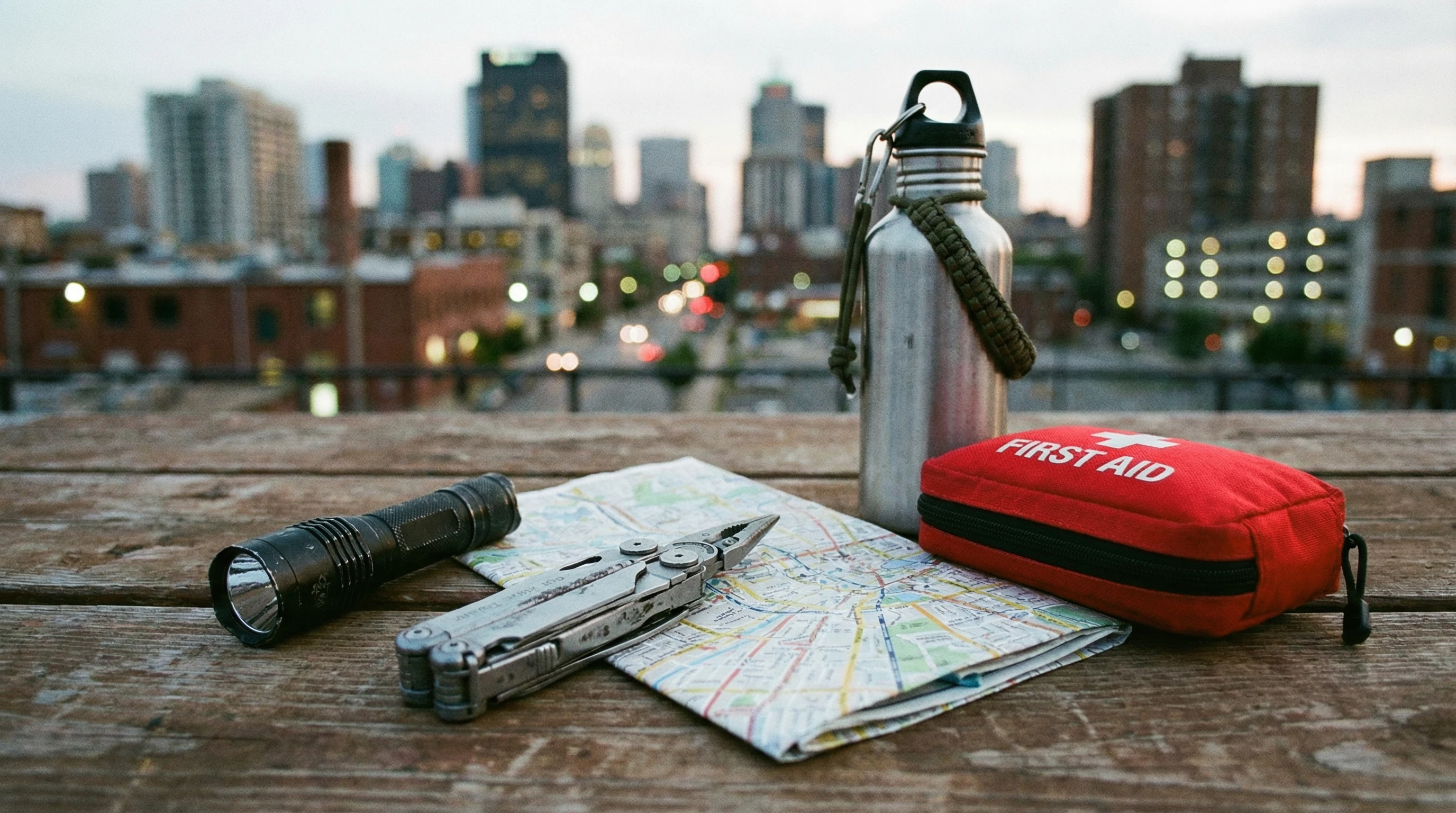
I keep a folded map in my backpack and regularly practice getting home from different neighborhoods. It might sound nerdy, but it pays off during city outages or huge public events when your device can’t save you.
3. Water and Food Gathering: Staying Nourished When Stores Shut Down
It surprises most people how quickly city stores empty out in an emergency. Having simple strategies to secure water and snacks is pretty important.
- Store at least three days’ worth of water (I use old juice bottles for this).
- Know which corner stores, vending machines, or 24-hour spots stay open late around your area.
- Learn a few tricks for purifying water in a pinch; even a portable filter can come in handy.
Nonperishable snacks, like granola bars or nut mixes, are a staple in my kitchen and bag. During a power outage, that small stash got me and my roommates through until the stores reopened.
4. Self-Defense: Protect Yourself Confidently
Feeling safe walking through the city is a big deal, day or night. Self-defense is not about fighting like in the movies. For urban survival, it’s more about confidence and preparation.
- Take a basic self-defense class at a community center or gym.
- Keep a small personal alarm, whistle, or even a flashlight handy.
- Stick to well-lit, busy routes at night when possible.
I’ve found that just walking with purpose and avoiding distractions, like wearing headphones on high, makes a difference. It shows you’re alert and discourages trouble.
5. First Aid Basics: Handle Minor Injuries Fast
Big cities can mean delayed emergency response during major events. Having basic first aid skills means you can take care of small scrapes, sprains, or burns right away.
- Learn how to treat wounds, bandage injuries, and handle common emergencies.
- Carry a basic kit with bandages, wipes, painkillers, and allergy meds.
- Take a free or low-cost community first aid class. These can actually be fun and super practical.
Once, a neighbor needed burn relief after an apartment kitchen mishap. Having a kit ready helped solve her problem before anything got serious.
6. Communication: Stay Connected Without Relying on Cell Service
Cell towers get overloaded during big emergencies. Backup ways to communicate or get info are really important for city survival.
- Use messaging apps that work with WiFi or offline modes, such as Signal or Bridgefy.
- Keep a list of emergency contact numbers written down on paper.
- Check local radio stations (AM/FM) for updates; a small battery radio is a solid buy.
If you’re meeting up with friends or family, agree on a rally point in advance. I always do this at major festivals—it saves trouble if you get separated.
7. Urban Evasion and Escape: Move Safely Through Crowds and Obstacles
Sometimes, you need to get out of a crowded area quickly or sidestep blocked streets. Moving smoothly, fitting in, and finding alternate routes are useful skills.
- Stay calm, walk with purpose, and avoid drawing attention in tense situations.
- Learn some basic beginner parkour moves; YouTube has plenty of routines to check out.
- Pay attention to exit signs and alleys even when you don’t need them.
One time, a local parade blocked my route home. Instead of waiting, I cut down an alley — a simple move that saved time and avoided the crowd crush.
8. Resourcefulness: Make the Most of What’s Around You
City living is all about improvising. Knowing how to use what you find, from bus benches to your multitool, can help you handle tough situations.
- Carry a compact multitool or Swiss Army knife (make sure it’s city legal).
- Get creative with what’s around, like using an umbrella as self defense or a sturdy bag as a splint.
- Learn where to find emergency resources like shelters or public charging stations.
I’ve patched shoes with tape and jerry rigged phone chargers from borrowed cables at cafes. Urban problems often need quick, creative fixes, and there’s pride in finding solutions nobody else thinks of.
9. Digital Security: Keep Your Info and Devices Safe
Data theft and device jackings are a real urban risk. Knowing how to secure your phone and accounts protects your money and privacy, keeping your lifeline to help intact if you need it.
- Use strong passcodes and set up remote lock or wipe for your devices.
- Stick to secure WiFi or fire up a VPN in public spaces.
- Stay alert for scams, especially texts or calls from unknown numbers.
I update my apps often and never leave my device unattended on cafe tables. Two-factor authentication is a small step with a big payoff regarding peace of mind.
10. Community Building: Team Up With Neighbors
Urban survival is way easier with people you trust. Building a network with neighbors, coworkers, and local friends is not just for emergencies; it makes city life friendlier and safer all the time.
- Introduce yourself to neighbors or join a building group chat.
- Join a local mutual aid group on social media for faster info sharing.
- Check for neighborhood watch meetings or local volunteer events—you’ll pick up tips and make friends along the way.
When my building lost power during a storm, it was neighbors sharing flashlights and portable stoves that kept everyone comfortable and calm. That’s the power of local teamwork in action.
Wrapping Up
City life keeps you on your toes, but knowing just a few of these urban survival skills means you’re covered for whatever gets thrown your way. You don’t need to prep for doomsday; just being ready for the occasional hiccup puts you ahead of the game. Which skill are you trying first? I’d love to hear your favorites or stories, so drop them in the comments below and let the community learn together.