Getting ready for emergencies in a city is very different from prepping outside urban areas. Urban life brings its own surprises: packed buildings, limited storage, thick traffic, and lots of people counting on the same resources. I put real thought into putting together an urban emergency plan that works for any city dweller, from apartment renters to condo owners.
Small disruptions in a city can snowball into bigger headaches. A water main break, power outage, transit shutdown, or a natural disaster can create total chaos if you aren’t prepared. Having an emergency game plan ready hands you more control and peace of mind, no matter what surprises pop up.
This guide breaks down, step-by-step, exactly what you need to do to pump up your emergency preparedness in any city or urban environment. If you follow each piece, you’ll make it much easier to ride out whatever comes your way.
Understand Your Risks in the City
Being prepared starts with knowing what you’re up against. Every city brings a unique mix of risks, but most urban areas share some common dangers. Think about the worst-case scenarios, but also remember to plan for the ones you’re more likely to run into week to week.
Common Urban Risks:
- Power outages from storms, grid overload, or accidents
- Water disruptions due to pipe breaks or citywide repairs
- Natural disasters: earthquakes, floods, hurricanes, blizzards
- Civil unrest, protests, or public disorder
- Public transit shutdowns or long delays
- Fires in highrises or on densely packed blocks
To get a better handle on your city’s hazards, check your local government’s emergency management website. I like to keep an eye on news about my city’s infrastructure and always subscribe to emergency alert systems on my phone; they’re super handy if something happens while you’re on the move.
Build a Personalized Urban Emergency Kit
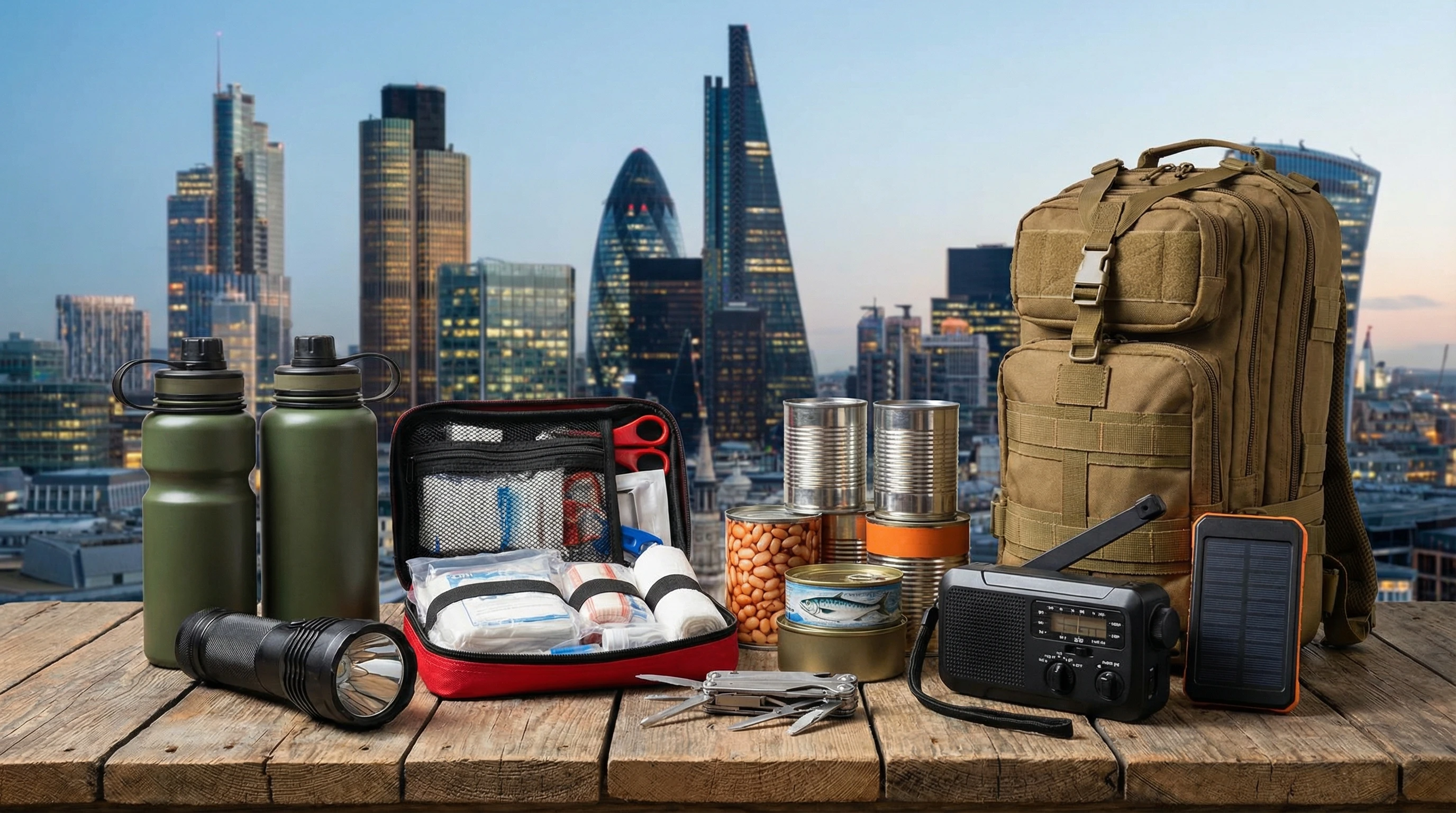
Your urban emergency kit is like a lifeline when city services get interrupted. In a city, space is tight so focus on essentials—but don’t skip what truly matters.
Cityfriendly Emergency Kit Checklist:
- Water: One gallon per person, per day for at least 3 days (use small bottles to stash easily)
- Nonperishable food: Canned goods, energy bars, nut butter, instant meals
- First aid kit: Plus spare prescription meds and pain relievers
- Flashlight and batteries: Headlamps work great if you need handsfree light
- Batterypowered or handcrank radio: For news if cell service drops out
- Cash: Small bills, as ATMs might not work if power’s out
- Multitool or pocketknife
- Copies of ID and important docs: Waterproof pouch or USB drive
- Facemasks: Smoke or dust protection (N95s are best)
- Phone charger or backup power bank
- Personal hygiene gear: Toothpaste, wipes, soap, feminine supplies
For pet owners, stash a small bag of food and a leash too. My kit fits inside a backpack so I can grab it and go if needed. Tucking supplies under the bed or in a closet keeps them close without hogging all your space.
Make a Communication and Evacuation Plan
City emergencies can cut off regular routes and services fast. If public transit stalls or you need to leave your building quickly, it’s important to have a solid plan. Figuring out how you’ll reconnect with family or housemates and where your safe spots are is absolutely key.
Key Planning Steps:
- Pick two meeting spots: One close to home (such as a local park), and a backup farther away (a friend’s place across town)
- Text, don’t call: When emergencies hit, texts are more likely to get through
- Memorize important numbers: Don’t rely just on your phone’s contacts list
- Carry a paper map: If your phone dies, you’ll know your way around
I always let a friend outside the city know my emergency plans, so someone can check in if local networks get crowded or service gets spotty.
Get to Know Your Building and Neighborhood
Apartment, condo, and highrise buildings have each got their own quirks about safety. Knowing how to get out fast or shelter in place can make a big difference. Look for stairs, all exits, and notice where emergency supplies are kept.
Neighborhood Tips:
- Find the nearest hospitals, clinics, and emergency shelters
- Identify helpful neighbors who can be counted on in a pinch
- Check out local community centers—these often serve as shelters
- Join neighborhood watch groups or active online forums (Nextdoor, Facebook Groups)
I’ve made a habit of walking my block and surrounding streets, just in case I need to pick alternate routes or check out side exits. When streets are blocked or packed with traffic, this can save you major time.
Secure Your Space Ahead of Time
Most urban dwellings can’t stack up gear, but small changes help secure your living space if things start to go sideways. Little steps go a long way—especially when you have to ride out a storm or blackout.
Quick Security Moves:
- Put in a door brace or install extra locks for additional protection during outages
- Keep a fire extinguisher in the kitchen
- Attach heavy or tall furniture to walls (especially for earthquakes)
- Add blackout curtains or window covers for privacy
- Store shoes, flashlight, and a jacket right by your bed so they’re always handy
These steps don’t cost much, but can make a big difference in keeping you and your belongings safe if the unexpected hits.
Stay Informed with Urban Alerts & Resources
Information travels fast in cities, but you need the right sources. Sign up for city emergency alerts; almost every city offers texts or app notifications for major incidents, disasters, or important police activity.
Where I Track Down Real-Time Info:
- City government emergency alert systems and their websites
- Twitter/X feeds from local agencies and news teams
- Messages or emails from building/community management
- Weather apps with push alerts for warnings and updates
Jumping on these alerts early helps you make quick moves before things get rough. I always add notifications to my phone and my family’s phones, just to stay a step ahead.
Keep Your Plan Fresh & Practice Often
Every couple of months, I check supply levels, expiration dates, and safety gear. Running through a family drill at least once a year means everyone knows exactly what to do and where to meet. Practicing now makes it much less confusing or scary when the real moment arrives.
Easy Ways to Stay Ready:
- Refresh your emergency kit twice per year—switch out food and water as needed
- Go over your plan with everyone in your home after every major season (think hurricane or winter weather season)
- Test your smoke detectors and swap batteries regularly
- Update your meeting points and contact list after moving or big routine changes
The more you practice, the easier it feels to follow your plan—even in the middle of the night or when you’re caught off guard.
Common Questions About Urban Preparedness
What if I don’t have much space for supplies?
Concentrate on portable, critical items. Tuck a backpack or storage bin under your bed; it can hold water, snacks, and medical supplies. You don’t need to fill a closet. Just cover yourself for a few days at a time.
How do I prepare if I rely on public transit?
Keep a city map and a backup route handy on your phone or in your wallet. Carry some cash for taxis or rideshares, and know where to find a nearby shareable bike. Planning multiple escape routes is extra important during city emergencies.
Do I really need a gobag (bugout bag)?
Definitely—even just a small, packed gobag will make any needed evacuation way easier. Include the essentials: water, food, a charger, extra clothes, basic first aid, and copies of your ID.
Quick Action Checklist: Prep Smarter in the City
- Check your city’s top emergency risks so you know exactly what to prep for
- Put together a compact, personalized emergency kit you can carry
- Make a communication plan with two backup meeting spots
- Get familiar with all building exits and take a few steps to secure your space
- Sign up for real-time emergency alerts and local city resources
- Review and practice your emergency plan with everyone in your home
You can’t control what the city throws at you, but having a smart, straightforward plan goes a long way in helping you feel safe and confident no matter what comes your way. Stay sharp, keep your kit handy, and you’ll be ready to handle whatever urban life dishes out.