
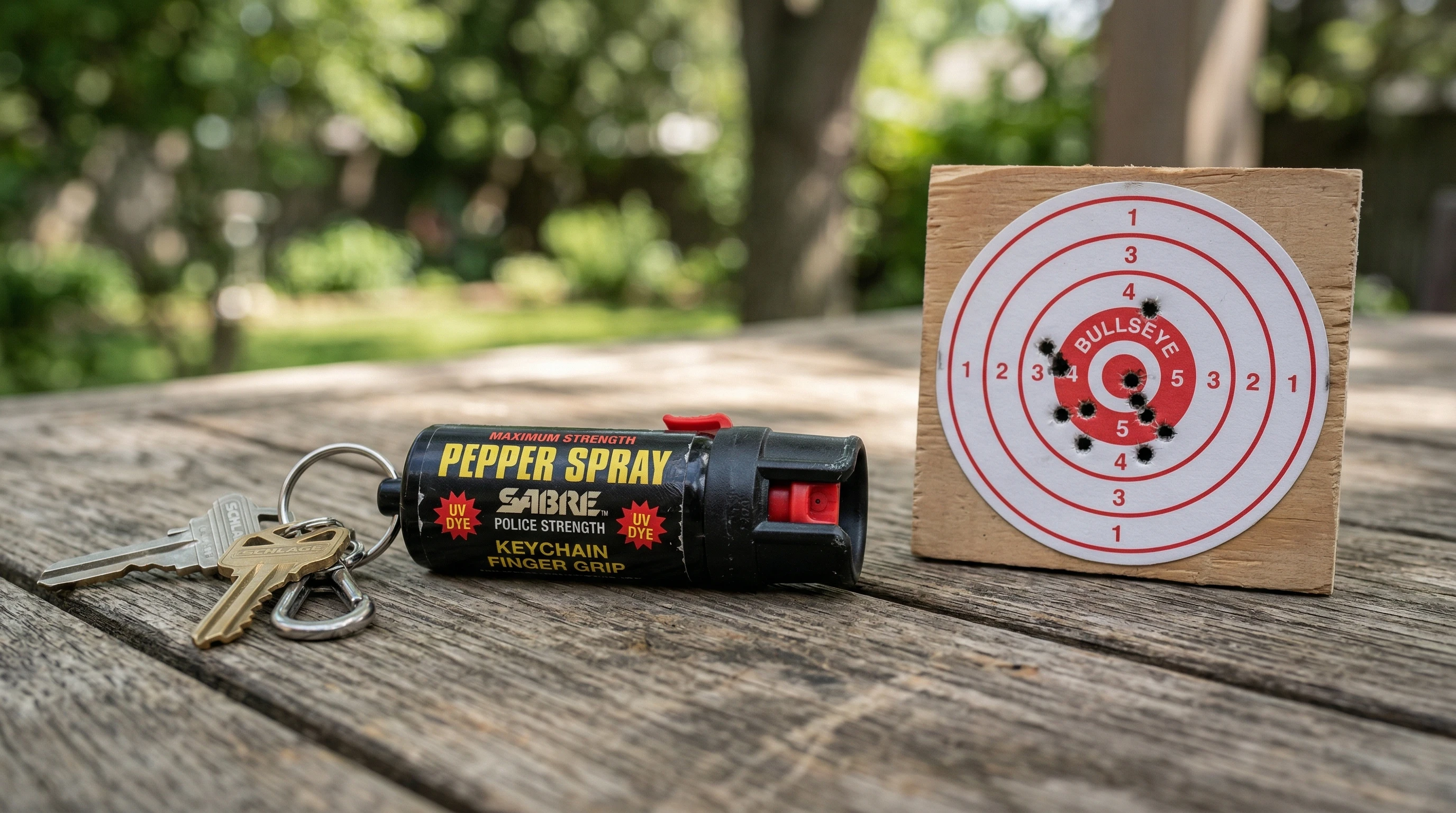
 Pepper spray is a pretty handy tool for self-defense, but a lot of people don’t really know how to use it properly or safely. I’ve heard stories of folks accidentally spraying themselves or not having pepper spray ready when they actually needed it. Knowing how to handle and use pepper spray correctly can help you feel more confident and keep yourself safer if danger comes your way.
Pepper spray isn’t magic, but when you use it the right way, it gives you a real chance to break free or get help if someone threatens you. If you’re thinking of carrying pepper spray or already have it on your keychain, taking a few minutes to learn the basics makes a big difference. This all-in-one guide covers what pepper spray does, how to carry it, step-by-step instructions on using it safely, practice tips, and some extra info you’ll need.
Step 1: Know What Pepper Spray Is (and Isn’t)
Pepper spray is a self-defense product that contains oleoresin capsicum (OC), the stuff that makes chili peppers spicy. When you spray it at an attacker, it causes burning pain, watery eyes, coughing, trouble breathing, and temporary blindness. These effects are super uncomfortable, but not permanent.
Pepper spray is legal in most states in the US but sometimes comes with restrictions on where or how you can use it. It’s important to check your local laws before carrying it around just to make sure you’re in the clear. As a rule, you only use it in self-defense; using it to prank someone or during an argument will get you in serious trouble.
What Pepper Spray Can (and Can’t) Do:
- Does: Temporarily disables attackers, giving you a window to escape or call for help.
- Does not: Guarantee your safety or replace common sense safety habits.
- Lasts: Usually up to 30 to 45 minutes of intense discomfort.
- Works on: Humans and aggressive animals like dogs.
Spray strength and range can vary, so familiarize yourself with your specific brand. Some products are designed for close quarters, and others for a slightly farther reach. Always read the instructions included with your pepper spray.
Step 2: Carry and Store Pepper Spray Safely
Carrying pepper spray only helps if you can get to it right away. I keep mine attached to my keys or tucked into a spot in my bag that’s easy to grab. You want to avoid digging through your purse or pocket when you really need it most.
Tips for Safe Carry and Storage:
- Keep it somewhere you can reach with one hand (keychain, pocket, front of your bag).
- Don’t leave it in hot cars; extreme heat can cause leaks or bursts.
- Test the nozzle every few months (outdoors) to make sure it still works; spray a quick burst away from you and others.
- Check the expiration date. It may lose effectiveness after 2 to 4 years.
If you live somewhere with extreme cold, keep in mind that low temperatures can also mess with pressure and performance. For best results, always store pepper spray following the manufacturer’s instructions.
Step 3: Learn the Correct Way to Use Pepper Spray
Using pepper spray is more than just pressing the button. There’s a smart, safe way to get the best effect and avoid hurting yourself in the process. Here’s what I do when practicing with my own canister.
How to Use Pepper Spray Step By Step:
- Grip the canister with your dominant hand. Your thumb goes on the bottom, your index finger on the top, almost like holding a TV remote or small flashlight.
- Disable the safety latch (usually a twist or fliptop) with your thumb.
- Face your attacker and extend your arm out slightly. Hold the can at eye level, aiming for their face.
- Press down fully for a short burst; about 1 to 2 seconds. Target their eyes, nose, and mouth.
- Step backward while spraying, but don’t turn away or close your eyes. This keeps you aware and out of their reach.
- Once the attacker is disabled (usually within seconds), get away fast and call for help.
Pro Tips:
- Don’t spray into the wind; it’ll blow the spray back at you.
- Don’t wave your arm. Keep the can steady.
- Have a practiced line like “Stay back!” to let them know you mean business (and to alert bystanders).
Keep calm and focused. Knowing these steps in advance helps you act faster during a real emergency.
Step 4: Practice With Inert Sprays
Getting familiar with your pepper spray before you need it is super important. You can buy inert practice sprays (they use water instead of pepper), which let you try out your motions and aim without accidentally hurting yourself or anyone else. I practiced with an inert spray in my backyard, targeting a spot on a wall, just so I’d know how far it goes and how the safety works.
Practice Basics:
- Practice flipping off the safety quickly.
- Try aiming and spraying in short bursts at a target, like a tree or wall.
- Time yourself: see how fast you can draw, aim, and spray from your usual carry spot.
Practicing regularly can help you remember the correct finger placement and develop muscle memory. The more at ease you get, the quicker and more accurate your reaction will be in a real encounter.
Step 5: What to Do After Using Pepper Spray
If you ever use pepper spray in self-defense, get to safety as fast as possible. Your first priority is to escape. Once you’re safe, call 911, even if you think the situation is over. Law enforcement may also need a statement for their records.
If you accidentally get sprayed or have some blowback, don’t panic. Move to fresh air and avoid rubbing your eyes or touching your skin. Blink rapidly and rinse your face with cool running water. Take off contact lenses if you use them. Most effects wear off within 30 to 60 minutes. Don’t hesitate to get medical help if you feel you need it.
Extra Tips and Safety Reminders
- Let people you trust know you carry pepper spray (especially roommates or family members).
- Don’t leave pepper spray where kids, pets, or others could reach it.
- Never test spray indoors.
- Think about taking a basic self-defense class. Pepper spray works even better when you know some extra moves for escaping.
You might also want to keep a backup canister at home or in your car, in case your primary one runs out. Staying aware of your surroundings while walking or traveling helps you avoid situations where you’ll need to use your spray in the first place.
Common Questions About Using Pepper Spray
How far does pepper spray shoot?
Most sprays go about 6 to 12 feet, depending on the brand and type. Check your can’s instructions because sprays and gels act a bit differently. Gels are less likely to blow back in wind, but they may not hit as wide an area.
What if I accidentally spray myself?
- Move to fresh air and rinse your face with cool water right away.
- Remove contact lenses. Avoid touching your eyes or skin after using the spray.
- Avoid lotions or oils; they trap the pepper.
Is it legal to carry pepper spray everywhere?
Pepper spray is allowed in most public spaces, but not in places like airports, federal buildings, or government offices. Some cities and states set stricter guidelines on size, type, or who can buy pepper spray, so it’s totally worth checking local regulations before you buy.
What’s the difference between spray and gel?
Sprays cover a wider area. These are better for close encounters, but they blow back more in wind. Gels shoot farther, are less likely to come back at you, and stick better, which works well in windy situations. Choose the type that fits your environment.
Final Thoughts & Next Steps
Carrying pepper spray is a practical part of a personal safety plan, but learning how to actually use it gives you way more confidence. A quick practice here and there, staying aware of your surroundings, and keeping your spray ready makes all the difference if the moment ever happens.
Your Quick Action Plan:
- Check that your pepper spray is up to date and stored where you can reach it.
- Practice with an inert spray or by walking through the steps.
- Look up the local regulations in your area and let someone you trust know you carry it.
Got other safety tools or routines you use? Share your favorite self-defense tips below! Remember: confidence, awareness, and preparation go a long way toward helping you stay safe.