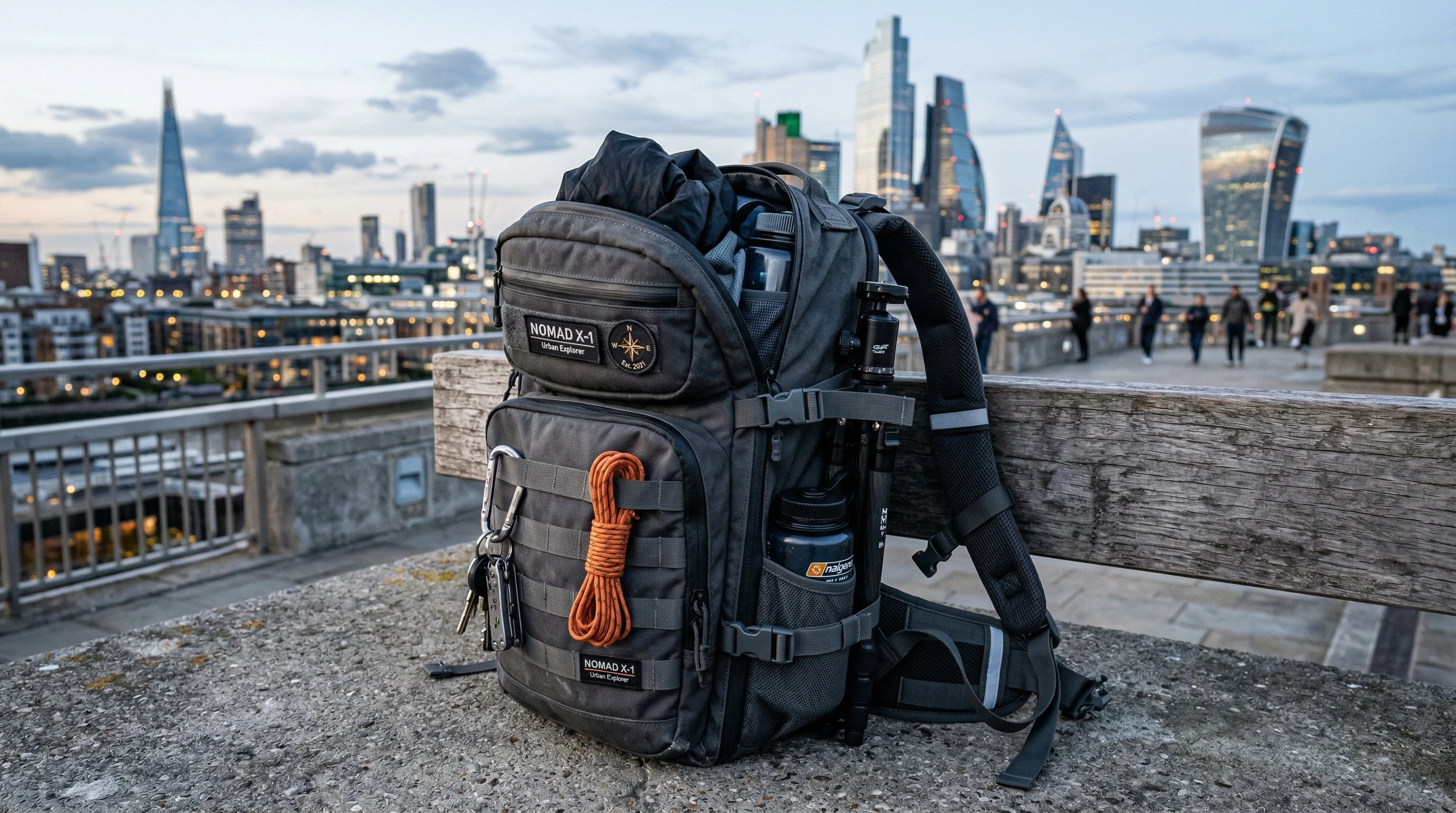
Picking the right urban survival backpack isn’t just about looking cool; it’s a real game changer for staying comfortable and ready for whatever city life (or an emergency) throws at you. With city environments presenting their own wild mix of challenges, from crowded public transport to unpredictable weather, finding a reliable pack can keep your mind at ease and your essentials close by. I’ve spent a lot of time testing different backpacks and learning what works well on crowded streets, and I’m here to help make sense of the hundreds of options out there.
Why an Urban Survival Backpack Matters
An urban survival backpack is way more than just a regular bag. Urban environments come with their own risks, such as power outages, transit shutdowns, or surprise storms. Having the right pack means all your daily needs, emergency gear, and personal items are in one place, super organized, and protected from the elements. The market for these packs has seen big growth with more people caring about everyday preparedness, not to mention folks who just like a practical, “ready for anything” kind of bag.
Unlike typical hiking or school bags, an urban survival backpack is built with city realities in mind. You’ll notice extra security features, hidden pockets, and materials designed for bouncing between buses, bikes, and sidewalks. I’ve used mine in everything from heavy downtown rain to surprise subway delays; having quick access, and knowing my stuff was secure, really helped.
Core Features That Matter Most
If you’re scanning the shelves for an urban survival backpack, it can get overwhelming fast. The best way I’ve found to narrow things down is thinking about what matters most for city life. A good pack will offer:
- Durability: Urban adventures mean bumping into things and people. Look for heavy duty materials like ripstop nylon or durable poly blends. Water resistance or waterproof zippers are pretty handy for rain or spills.
- Comfort: For something you’ll be hauling every day, cushioned shoulder straps and an ergonomic back panel make a huge difference, especially during long walks or crowded commutes.
- Organization: Multiple compartments, zippered pockets, and quick access sleeves help separate gear; laptop in one spot, snacks in another, and first aid kit tucked away safe but reachable.
- Security: Antitheft zippers or hidden pockets are really important in crowded areas or public transport. I once avoided a pickpocket on a busy train thanks to a sneaky rear pocket on my pack.
- Size: You want enough space for daily items and emergency gear, but not so bulky it becomes a hassle. Something between 20 and 35 liters tends to hit a pretty good balance for most city dwellers.
Getting Started: Choosing Your First Bag
Jumping into the world of urban survival backpacks is easier when you know the main points to look for. Here’s a quick rundown of steps I recommend for anyone new to the whole idea:
- Set Your Priorities: Decide what’s most important; commuting with tech, weekend city hikes, or emergency use. Not every backpack fits every style.
- Do Some Hands-On Checks: If you can, try before you buy. I always check if the zippers run smoothly and toss a couple of heavy items inside to see how the straps feel.
- Don’t Neglect the Looks: City bags walk the line between practical and stylish. Luckily, most modern packs look good and still have loads of survival friendly features.
- Research Reviews: Check feedback from folks who actually haul these around daily. Real world use says more than perfect product photos.
- Test Its Limits: Try your backpack on longer trips, through rain, and while running errands. If you forget it’s even there, you’re on the right track.
Main Things to Check Before Picking a Pack
Even the coolest looking backpack can fall short if you overlook a few important details. Here’s what caught me out a couple of times and what I always keep in mind now:
- Weight When Empty: Heavier materials can mean better protection, but some packs are just too bulky once loaded. Check the weight before you fill it with your gear.
- Capacity and Expandability: Some days you’ll need more room; modular pouches or expandable sections come in handy for days when you need to pack extra layers or supplies.
- Padded Laptop Compartment: If you rely on your laptop or tablet for work or school, a padded compartment keeps your tech safe on rough rides.
- Easy Access Compartments: Fast access to essentials (like a phone, wallet, or transit card) is super important in a rush.
- Weatherproofing: I recommend at least a water resistant shell. Look for reinforced bases too, so you can set your pack down on wet sidewalks without worry.
Weight and Comfort
I quickly learned that even the toughest pack can become an annoyance if it gets too heavy or awkward. Choose one with adjustable straps, especially if your load changes day to day. Ventilated back panels help a lot when it’s hot out or you’re walking longer distances.
Pockets and Organization
Dedicated pockets for certain items save you from having to rummage around. Separate sleeves for a laptop, water bottle pouches, and a spot for a basic first aid kit can be real time savers. One pack I use even has a built in USB charging port, which is a bonus if you use your phone a lot on the go.
Weather Resistance
City weather is unpredictable, so I treat good water resistance as nonnegotiable. Even during quick dashes between buildings, sudden rain can soak your stuff if your pack isn’t up to the task. Taped seams and storm flaps are worth checking out.
Security Features
Crowded buses and big events are prime spots for pickpockets. Security features like lockable zippers and hidden back pockets give you peace of mind. Some packs even include RFID blocking pockets for cards.
Next Level Tips for Everyday City Use
Once you’re comfortable with the basics, a few extra touches can help you stay even more prepared. Here are my favorite tips for city backpacking done right:
Optimize Layout: Try out different packing styles, like vertical or horizontal loading, for quicker access to what you use most. It saves time and keeps your stuff organized.
Emergency Additions: I always keep a mini first aid kit, spare phone charger, flashlight, and a granola bar tucked away. Having these on hand has proved useful during long days or the occasional power outage. This small kit ensures I have backup energy, light, and safety essentials whenever something unexpected comes up.
Regular Maintenance: Inspect your pack every month for loose threads, broken zippers, or worn spots. A bit of DIY patching, prompt repairs, or cleaning can extend the bag’s life by years and keep everything functioning smoothly. Over time, small maintenance tasks can prevent bigger issues from cropping up.
Switch Things Up: Every few weeks, I swap out the contents to match seasonal changes or new routines. Change out winter gloves for sunglasses as the weather warms up, or swap a raincoat for an extra water bottle during dry seasons. This keeps your pack from turning into a black hole of old receipts and random stuff you no longer need.
Real World Examples: Why The Right Pack Makes a Difference
Urban survival backpacks really shine when everyday life throws a curveball. A friend of mine once found himself stuck in a citywide blackout. With a few candles, a water filter straw, an extra phone charger, and some snacks, all packed in his bag, he handled the night safely while others were scrambling for supplies. Having these essentials stashed ahead of time let him deal with unexpected issues calmly and avoid a lot of stress.
- Commuting: A good urban pack lets you switch from work to gym to groceries, with all your gear secure and dry, and makes transitions between different city spots a breeze.
- Unexpected Emergencies: Blackouts, protests, or sudden downpours are easier to handle with basic emergency items on hand. Preparedness can keep minor mishaps from becoming major setbacks.
- Travel: If you move between cities or travel for work, a smart pack keeps your valuables secure and your ID accessible at airports or checkpoints, making travel smoother and less stressful.
Frequently Asked Questions
Here are some common questions I hear from people thinking about picking up their first urban survival backpack:
Question: How big should my everyday backpack be?
Answer: Most people I know find 20–35 liters works for daily city life; it fits your work gear, a lunchbox, and some emergency items, without looking overstuffed or feeling clunky.
Question: Is water resistance really important for city use?
Answer: Absolutely, city weather is unpredictable, and between buildings, water leaks and sudden rain are common. A water resistant pack keeps your electronics and papers protected without needing a separate rain cover.
Question: What gear goes in a typical urban survival backpack?
Answer: I keep a basic first aid kit, power bank, folding umbrella, hand sanitizer, snacks, flashlight, and transit pass, plus a change of socks if the forecast looks rough.
Final Thoughts
Finding the right urban survival backpack has made my own city routines much less stressful. I know everything I need is organized, safe, and protected from whatever the day tosses at me. Whether you’re tackling public transit, working late, or just want to stay ready for the unexpected, a thoughtfully chosen backpack pays off every single day.
Take your time testing a few different packs, figure out your true priorities, and don’t be afraid to invest in something that’ll last through countless adventures downtown. Your city survival starts with what you carry on your back!